



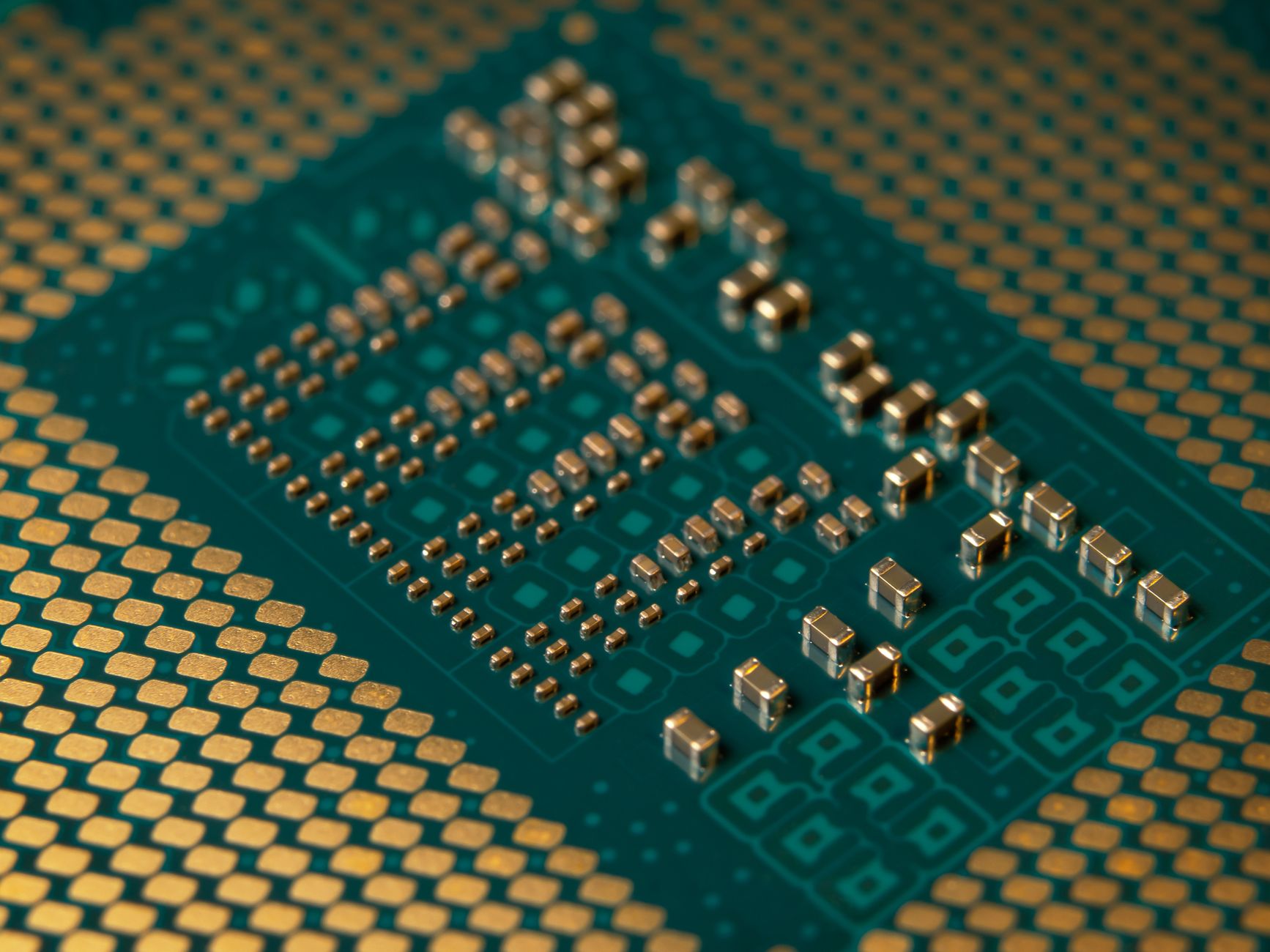
India semiconductor initiative is a groundbreaking effort aimed at establishing the country as a global hub for semiconductor manufacturing.
Overview of the India Semiconductor Initiative
The India Semiconductor Initiative has been launched to bolster the country’s position in the global semiconductor market. With the increasing demand for electronic devices, the initiative aims to establish India as a significant player in semiconductor manufacturing and design.
This strategic move is expected to attract substantial investments and foster innovation in the technology sector. Key objectives of the initiative include:
- Enhancing Domestic Production: The initiative seeks to promote local manufacturing capabilities to reduce dependence on imports.
- Creating Jobs: A focus on semiconductor manufacturing is anticipated to generate numerous employment opportunities across various sectors.
- Boosting Research and Development: By supporting R&D activities, the initiative aims to drive advancements in semiconductor technology.
- Encouraging Collaboration: The initiative will facilitate partnerships between government, industry, and academic institutions to foster innovation.
In summary, the India Semiconductor Initiative represents a pivotal step towards achieving self-sufficiency and technological advancement in the semiconductor industry, crucial for the country’s economic growth.
Key Goals of the Initiative
The India Semiconductor Initiative aims to position the country as a global hub for semiconductor manufacturing and innovation. This initiative comes with several key goals that are crucial for the growth of the sector.
- Boost Domestic Manufacturing: One of the primary goals is to increase the domestic production of semiconductors to reduce dependency on imports.
- Attract Investment: The initiative seeks to attract both domestic and foreign investments in semiconductor research and manufacturing facilities.
- Enhance Skill Development: By focusing on education and training, the initiative aims to develop a skilled workforce capable of meeting industry demands.
- Encourage Innovation: The initiative promotes research and development in semiconductor technology to foster innovation and create cutting-edge products.
- Strengthen Supply Chains: The plan includes measures to ensure a robust and resilient supply chain for semiconductor materials and components.
Overall, the India Semiconductor Initiative represents a strategic move towards enhancing the country’s technological capabilities and economic growth.
Impact on the Global Semiconductor Market
The India Semiconductor Initiative is poised to significantly impact the global semiconductor market. By investing heavily in semiconductor manufacturing and research, India aims to reduce its dependency on foreign imports and become a key player in the industry.
One of the primary effects of this initiative is the potential for increased competition in the global marketplace. As more companies emerge from India, established players may need to adjust their strategies to maintain their market positions. This could lead to:
- Lower Prices: Increased supply from India could drive down prices, benefiting consumers and businesses alike.
- Innovation: A surge in local talent and investment may lead to breakthroughs in semiconductor technology.
- Supply Chain Resilience: Diversifying production locations can help mitigate risks associated with geopolitical tensions and supply chain disruptions.
Moreover, as India strengthens its semiconductor capabilities, it may attract global partnerships and investments, further enhancing its role in the international market. The India semiconductor initiative not only promises domestic growth but also aims to reshape global dynamics.
Challenges Facing the Initiative
The India Semiconductor Initiative, while promising, faces several challenges that could impact its effectiveness and timeline. These challenges include:
- Infrastructure Development: Building a robust semiconductor manufacturing ecosystem requires significant investments in infrastructure, including clean rooms and testing facilities.
- Skilled Workforce: There is a pressing need for a skilled workforce capable of handling advanced technologies in semiconductor design and manufacturing. Training programs and educational institutions must align with industry demands.
- Global Competition: Countries like China and the United States are heavily investing in their semiconductor sectors, creating a fiercely competitive landscape. India must innovate and attract foreign investment to keep pace.
- Supply Chain Vulnerabilities: The ongoing global chip shortage highlights the importance of a resilient supply chain. India needs to ensure that it can secure raw materials and components needed for semiconductor production.
- Policy and Regulatory Framework: A clear and supportive regulatory environment is crucial for the success of the India Semiconductor Initiative, as it can either facilitate or hinder progress.
Addressing these challenges will be essential for India to realize its semiconductor aspirations.
Future Prospects for India’s Tech Industry
The future prospects for India’s tech industry are looking increasingly promising, particularly with the launch of the India semiconductor initiative. As the country aims to position itself as a global leader in semiconductor manufacturing, several factors will contribute to its success.
Firstly, the initiative is expected to attract significant foreign investment, which will bolster local innovation and infrastructure development. This influx of capital can lead to the establishment of state-of-the-art manufacturing facilities and research and development centers.
Moreover, the initiative will likely create a skilled workforce, as educational institutions collaborate with tech companies to enhance their curriculum and training programs. This synergy will ensure that India produces top talent capable of driving advancements in semiconductor technology.
Additionally, as India strengthens its supply chain and reduces dependency on foreign imports, it will enhance its competitiveness in the global market. Overall, the India semiconductor initiative could pave the way for sustainable economic growth and establish the country as a key player in the international technology landscape.
Conclusion: What This Means for India
The India Semiconductor Initiative represents a pivotal moment for the nation’s technological landscape, signaling a commitment to self-reliance and innovation. As the global semiconductor market continues to evolve, India’s proactive approach places it in a strategic position to emerge as a major player.
By investing in semiconductor manufacturing, research, and development, the initiative aims to boost local capabilities and reduce dependency on imports. This move is not only expected to create jobs but also to foster a vibrant ecosystem for startups and established firms alike.
Moreover, the collaboration with international partners enhances knowledge transfer and skill development, ensuring that India is equipped to meet future demands. The initiative holds significant implications for the broader economy, driving growth across various sectors, from electronics to automotive.
In conclusion, the India Semiconductor Initiative is a smart move for growth, promising to transform the country into a global hub for semiconductor production. As challenges are addressed and prospects unfold, India stands on the brink of a technological renaissance that could redefine its economic trajectory.
Photo by ed br on Pexels
Read the original
Kirin 9050 Pro chip: Best performance boost for Huawei phones · How CISO Forums Help Leaders Make Better Cybersecurity Decisions · Candidate Attraction vs. Recruitment: Why Businesses Need Both