



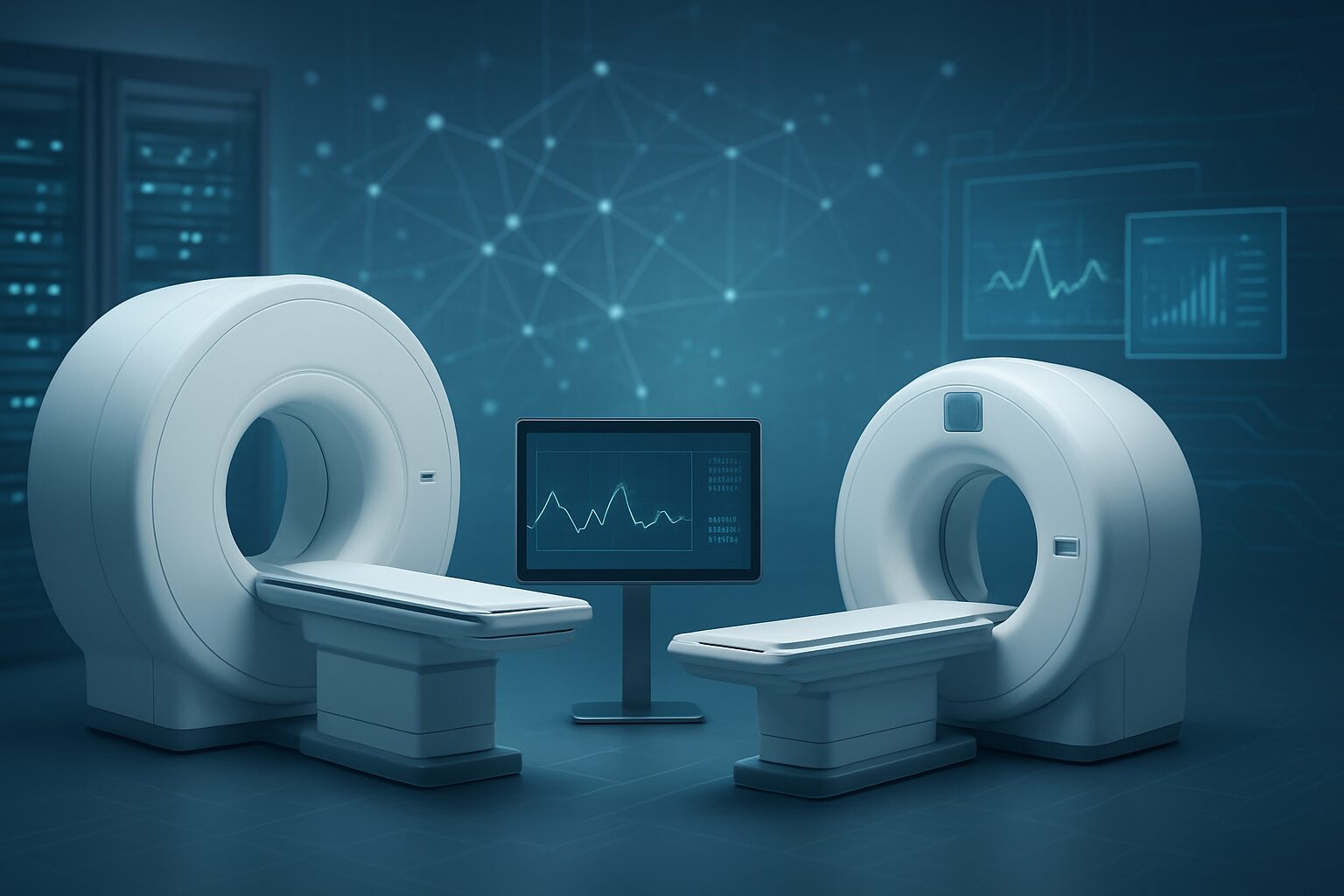
Why are precision and safety central to modern radiology?
Radiology has become an increasingly sophisticated part of healthcare, combining advanced technology with detailed clinical knowledge to support diagnosis and treatment. As imaging systems become more capable, professionals must maintain a careful balance between technological possibilities and responsible clinical application. With more than 25 years of experience in diagnostic and interventional radiology, Dr Wade Banker reflects a professional approach built around precision, safety, and consistent standards of clinical excellence.
Contents
- Why are precision and safety central to modern radiology?
- What does precision mean in contemporary imaging?
- How does safety influence radiology practice?
- How does interventional radiology demonstrate precision?
- What role does clinical experience play in achieving excellence?
- How does innovation support better radiology practices?
- Why is patient-centered thinking important in imaging?
- What can the future of radiology look like?
- Conclusion
What does precision mean in contemporary imaging?
Precision in radiology extends beyond obtaining high-quality images. It involves selecting appropriate imaging methods, understanding anatomical details, recognizing meaningful findings, and placing those findings within the correct clinical context.
Accurate imaging can provide healthcare teams with valuable information for developing treatment strategies. When imaging is interpreted carefully, it can contribute to clearer clinical decision-making and help establish a more focused direction for patient care.
How does safety influence radiology practice?
Safety remains an important consideration throughout the imaging process. It begins with appropriate planning and continues through the selection and application of diagnostic or interventional techniques.
Experienced professionals can bring an informed perspective to this process. A thorough understanding of imaging procedures, patient requirements, and clinical objectives allows radiology to remain both technologically advanced and carefully managed. This balance supports confidence in modern imaging practice.
How does interventional radiology demonstrate precision?
Interventional radiology has expanded the role of imaging by connecting detailed visualization with targeted procedures. Instead of using imaging solely for diagnosis, clinicians can apply it as a guide during minimally invasive interventions.
Dr Wade Banker Toledo, Oh represents a professional background within this evolving field. His experience across diagnostic and interventional radiology illustrates how imaging expertise can contribute to procedural planning, targeted treatment, and a broader model of precision-focused healthcare.
What role does clinical experience play in achieving excellence?
Clinical excellence develops through the combination of education, practical knowledge, continuous learning, and professional judgment. Experience allows physicians to recognize how different imaging findings and procedural considerations may fit into individual clinical situations.
Over more than two decades, experience can also provide perspective on technological change. As new imaging capabilities emerge, established knowledge can help professionals understand how those developments may be incorporated into effective clinical workflows.
How does innovation support better radiology practices?
Innovation continues to influence every area of modern radiology. Improvements in imaging quality, visualization, and procedural guidance have expanded the ways clinicians can approach diagnosis and treatment.
The most meaningful innovations are those that complement sound clinical principles. When new technology is paired with experience and careful judgment, it can strengthen precision while supporting efficient and patient-focused care.
Why is patient-centered thinking important in imaging?
Radiology may be technology-driven, but its ultimate purpose remains connected to patient care. Every examination and procedure contributes to an individual’s broader healthcare journey.
Patient-centered radiology considers clinical objectives alongside comfort, safety, communication, and appropriate treatment planning. This perspective helps ensure that imaging technology is used with purpose and remains connected to meaningful healthcare outcomes.
What can the future of radiology look like?
The continued development of medical imaging is likely to create more opportunities for precise diagnosis and minimally invasive treatment. Greater integration between imaging systems and clinical workflows can strengthen collaboration across healthcare teams.
Professionals who combine experience with an openness to innovation can help support this progress. Their ability to connect established practices with emerging technologies can contribute to a radiology environment focused on accuracy, safety, and continual improvement.
Conclusion
Precision, safety, and excellence form an important foundation for contemporary radiology. The professional experience associated with Dr Wade Banker demonstrates how diagnostic expertise, interventional knowledge, and technological awareness can work together to support modern healthcare. As imaging continues to evolve, maintaining these principles can help advance a model of radiology that values accuracy, responsible innovation, patient-focused care, and consistently high clinical standards.