



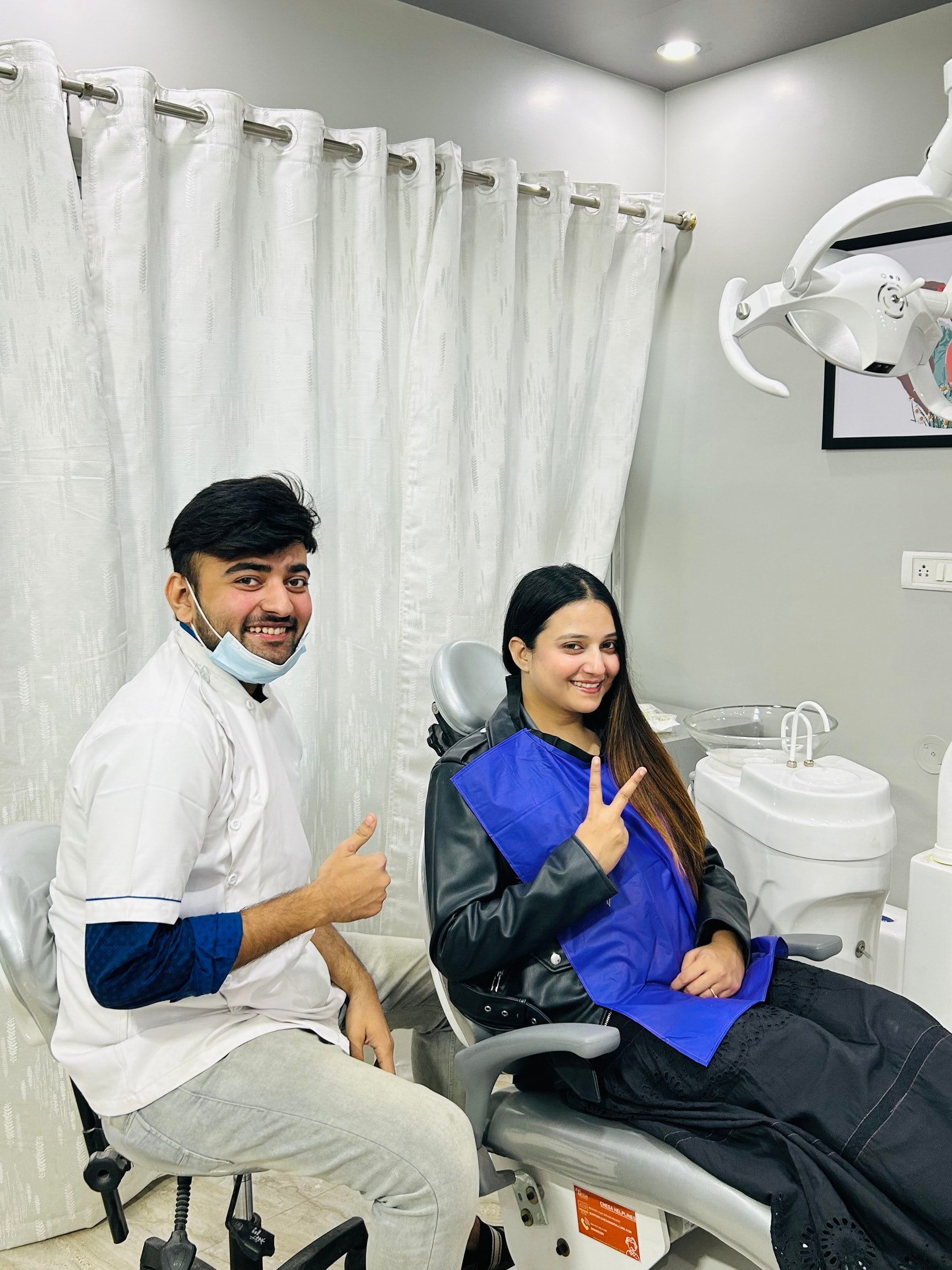
Advanced dental care in a global context is defined by the integration of modern technologies, evidence-based practices, and international standards of treatment. It involves continuously updating clinical knowledge, adopting innovative techniques, and ensuring that patient care meets the highest levels of precision and safety. In this evolving field, Dr Ranjan Rajbanshi represents a professional approach that combines global exposure with practical expertise to deliver comprehensive dental solutions.
Dentists who operate with a global mindset are better positioned to understand diverse patient needs, cultural expectations, and varying clinical conditions. This perspective allows them to adapt treatments accordingly while maintaining consistency in quality. Advanced dental care is not limited to technology alone; it also includes communication, diagnosis accuracy, and long-term treatment planning.
How Does Global Experience Influence Dental Practices?
Global experience plays a significant role in shaping a dentist’s clinical approach and decision-making abilities. Exposure to international training, diverse patient populations, and different healthcare systems enhances a practitioner’s adaptability and problem-solving skills.
By learning from global best practices, dentists can incorporate refined techniques into their own methods. This often leads to improved diagnostic accuracy, better treatment outcomes, and more efficient procedures. Global experience also encourages continuous learning, which is essential in a field that evolves rapidly with new research and innovations.
Why Is Technology Essential in Modern Dentistry?
Technology is a driving force behind advancements in dental care. Tools such as digital imaging, 3D scanning, and computer-assisted design systems allow for more precise diagnosis and treatment planning. These technologies reduce manual errors and provide detailed insights into oral conditions.
Digital workflows also enhance efficiency by streamlining processes such as impressions, restorations, and surgical planning. Patients benefit from shorter treatment times, improved comfort, and more predictable results. The use of advanced technology ensures that dental professionals can deliver care that aligns with international standards while maintaining high levels of accuracy.
How Does Patient-Centered Care Complement Advanced Techniques?
Patient-centered care remains a crucial component of advanced dental practice. While technology and global expertise improve clinical outcomes, the patient experience is equally important. Understanding patient concerns, preferences, and expectations helps in designing treatment plans that are both effective and comfortable.
Effective communication builds trust and encourages patients to actively participate in their oral health journey. Dentists who prioritize patient-centered care ensure that procedures are clearly explained and tailored to individual needs. Midway through implementing advanced methodologies, Dr Ranjan Rajbanshi highlights the importance of balancing technical precision with empathy, ensuring that patients feel supported throughout their treatment.
What Are the Benefits of Combining Global Experience with Advanced Care?
Combining global experience with advanced dental care creates a well-rounded approach that benefits both patients and practitioners. Patients receive access to modern techniques, improved diagnostics, and personalized treatment plans. At the same time, practitioners can enhance their clinical skills and broaden their professional perspectives.
This combination also fosters innovation, as exposure to different systems and practices encourages the adoption of new ideas. Dentists can refine their techniques, improve efficiency, and stay updated with emerging trends in the field. Ultimately, this leads to higher standards of care and better overall outcomes for patients.
What Is the Future of Advanced Dental Care with Global Influence?
The future of dental care will continue to be shaped by globalization, technological advancements, and evolving patient expectations. As the field progresses, dentists will increasingly rely on digital tools, data-driven insights, and interdisciplinary collaboration to deliver optimal care.
Global knowledge exchange will play a key role in advancing dental practices. Professionals who engage in continuous education and international collaboration will be better equipped to handle complex cases and adopt innovative solutions. The integration of these elements will ensure that dental care remains efficient, accessible, and patient-focused.
The work and approach associated with Dr Ranjan Rajbanshi demonstrate how global experience can elevate clinical standards and improve patient outcomes. In conclusion, Dr Ranjan Rajbanshi exemplifies how combining advanced techniques, global exposure, and patient-centered values can lead to excellence in modern dental care, setting a strong benchmark for the future of the profession.