
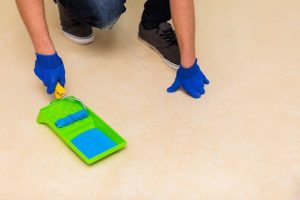
EPDM flooring has emerged as a preferred choice for a wide range of spaces, from commercial facilities and gyms to playgrounds and residential areas. Known for its resilience, flexibility, and slip-resistant surface, it offers long-term durability and minimal maintenance when installed correctly. Achieving a flawless surface requires attention to every detail, from surface preparation to professional installation techniques.
This guide provides a comprehensive step-by-step overview of the best EPDM flooring installation, helping property owners, facility managers, and installers make informed decisions that enhance performance, safety, and longevity. By understanding each stage of the process, you can ensure your EPDM flooring delivers lasting benefits and aesthetic appeal for years to come.
Surface Preparation for Lasting Performance
Before installing EPDM flooring, the foundation must be meticulously prepared. Proper surface preparation ensures that the material adheres securely, prevents long-term damage, and creates a smooth, even base for optimal durability. Every step at this stage, from cleaning to underlayer integration, directly impacts the performance and longevity of the flooring.
- Cleaning and Debris Removal: Remove all dust, dirt, and loose particles from the subfloor before installation. A thoroughly clean surface ensures proper adhesion and prevents bubbling or lifting. Patch and level any cracks or uneven areas to create a smooth foundation for the flooring.
- Moisture Assessment: Test the subfloor for moisture content before applying adhesive or primers. Excess moisture can compromise bonding, causing early wear or detachment. Apply manufacturer-recommended primers to enhance adhesion and ensure a durable base.
- Underlayer Integration: Add shock-absorbing underlayers in areas with heavy impact or traffic. This cushioning improves safety, reduces stress on the surface, and absorbs impact forces. Proper underlayer installation extends the lifespan and performance of EPDM flooring.
Material Selection and Quality Considerations
Choosing the right EPDM material is as critical as the installation itself. High-grade materials with the right thickness, density, and binder consistency guarantee long-term durability, safety, and aesthetic appeal. Understanding these factors ensures that your flooring meets both functional requirements and visual expectations.
- High-Grade EPDM: Select the best quality flooring with excellent UV resistance and elasticity. High-quality material ensures consistent color retention and long-term durability. This choice guarantees reliable performance in outdoor or high-traffic areas.
- Thickness and Density: Determine flooring thickness according to the intended application and usage. Playgrounds benefit from thicker layers for impact absorption, while commercial areas require dense, wear-resistant sheets. Correct thickness and density balance safety, comfort, and long-lasting performance.
- Binder and Granule Quality: Inspect the granule size and binder consistency to prevent flaking or deterioration. Uniform composition ensures structural stability and smooth surface appearance. High-quality binders contribute to long-term durability and aesthetic appeal.
Professional Installation Techniques
The installation process determines how well your EPDM flooring will perform over time. Applying precise techniques like seamless bonding, adhesive rolling, and edge finishing ensures stability, durability, and a polished appearance. Professional methods minimize maintenance needs while maximizing the lifespan of the flooring.
- Seamless Bonding: Use heat-welding or chemical bonding to create a continuous, joint-free surface. A seamless installation prevents dirt accumulation and simplifies cleaning. This technique reduces maintenance needs and enhances long-term durability.
- Adhesive Application and Rolling: Apply adhesive evenly across the subfloor to ensure uniform coverage. Use rollers or trowels to press the material firmly, eliminating air pockets. Proper application strengthens adhesion and stabilizes the flooring surface.
- Edge Finishing and Expansion Management: Trim and seal all edges precisely to prevent peeling or loose corners. Incorporate expansion joints in large areas to accommodate temperature changes. These practices ensure the best EPDM flooring installation and long-lasting results.
Post-Installation Curing and Inspection
Even after installation, careful curing and thorough inspection are crucial to achieve a flawless, long-lasting surface. Proper curing strengthens adhesion, while systematic inspection and functional testing verify safety, flexibility, and overall performance. These steps ensure that the flooring is ready to withstand daily wear and environmental stress.
- Curing Compliance: Allow adequate curing time according to manufacturer instructions. Rushing this process can weaken adhesion and create uneven surfaces. Proper curing ensures long-lasting stability and optimal performance of the flooring.
- Surface Inspection: Examine the flooring for bubbles, misaligned seams, or adhesive overflow. Early detection allows prompt correction before full use of the area. Thorough inspection guarantees a smooth, durable, and visually flawless finish.
- Functional Testing: Test the surface by walking on it or applying light impact. Verify slip resistance, flexibility, and overall stability under realistic conditions. Functional testing ensures the flooring meets performance and safety standards.
Long-Term Maintenance Strategies
Ongoing maintenance is essential to preserve the integrity, appearance, and safety of EPDM flooring. Regular cleaning, periodic inspections, and protective measures prevent damage, enhance durability, and prolong the flooring’s lifespan. A well-planned maintenance routine ensures that your investment continues to perform reliably for years.
- Regular Cleaning: Follow a consistent cleaning schedule using mild detergents to remove dirt and debris. Avoid abrasive tools or harsh chemicals that can damage the EPDM surface. Proper cleaning preserves elasticity, appearance, and long-term performance.
- Periodic Inspection: Regularly check for minor damage such as cuts, tears, or loose edges. Promptly repairing issues prevents larger problems and ensures safety. Routine inspections maintain durability and extend the lifespan of the flooring.
- Protective Measures: Apply UV-protective coatings or resealing for outdoor installations. These measures prevent sun damage and maintain the material’s flexibility. Protective strategies extend the flooring’s lifespan and preserve its visual appeal.
Conclusion
A successful EPDM flooring project combines careful preparation, the best quality EPDM flooring, professional installation, and consistent maintenance. Each step, from subfloor assessment to curing and long-term care, directly affects the flooring’s durability, safety, and aesthetic appeal. Investing in expert techniques ensures your EPDM surface withstands heavy traffic, extreme weather, and daily wear, providing reliable performance, long-lasting resilience, and optimal results for years.
For tailored guidance and professional solutions, Cypex Group provides specialized services designed to ensure precision, superior quality, and long-lasting results for every EPDM flooring project. Their team of experienced professionals evaluates each space carefully, recommends the most suitable materials, and implements expert installation techniques. By combining technical expertise with attention to detail, Cypex Group delivers flooring solutions that maximize durability, safety, and aesthetic appeal, offering clients complete confidence in their investment.