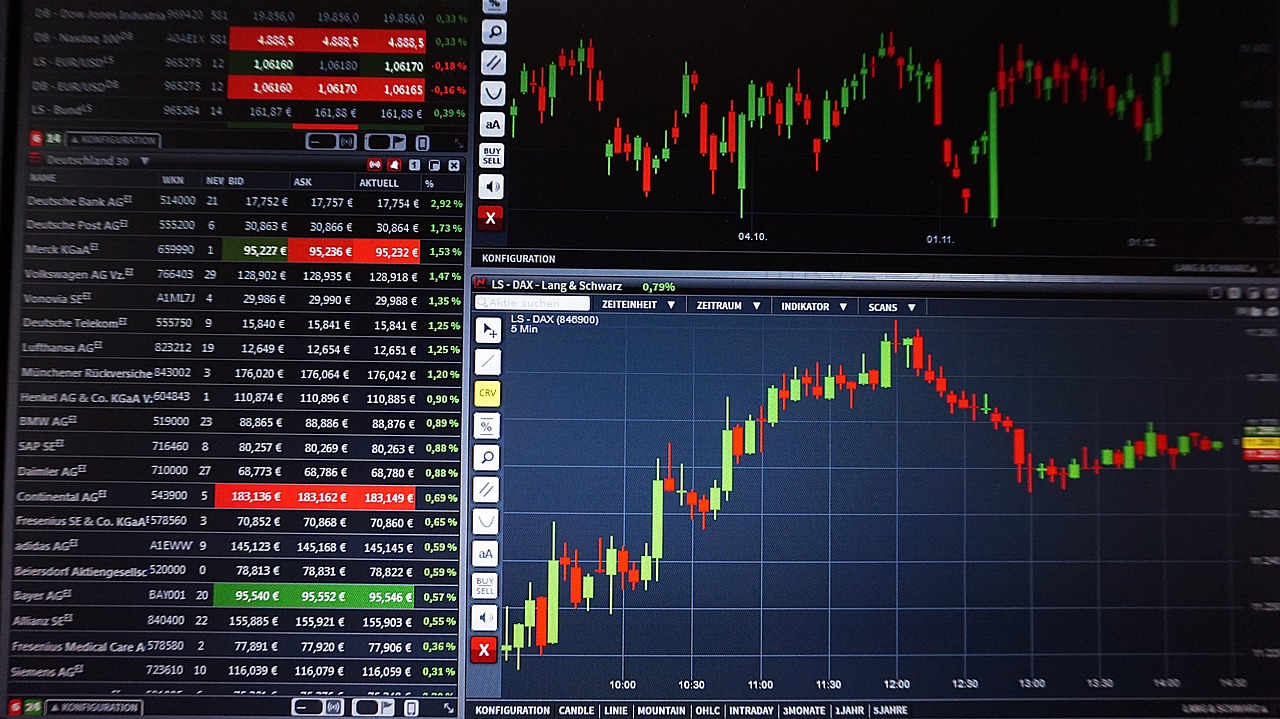
Financial markets are shaped by rapid price movements, global economic influences, and shifting investor sentiment. Navigating such an environment requires more than identifying opportunities; it demands structured planning and disciplined control over potential losses. In forex trading, a strategic approach ensures that decisions remain calculated rather than emotional, supporting long-term stability and consistent performance in highly dynamic market conditions.
Structured Capital Protection Framework
Having a clear capital protection plan sets boundaries so that there is no emotional decision-making and overexposure. Using predetermined protective measures, merchants have tried to make sure that single positions do not destabilize the total portfolios.
- Stop-Loss Mechanisms
Stop-loss orders are automatic orders that are set to close positions when a predetermined price level is achieved. This planned departure helps in ensuring that the losses do not grow beyond what is acceptable. Established risk definition ensures traders are consistent and do not react to quick shifts in the market impulsively. - Take-Profit Parameters
Take-profit orders gain profits upon the attainment of specific targets. Fixing the profits to the calculated amounts eliminates the chances of incurring losses when there is an unexpected reversal. This method enhances the equilibrium between the risk and the prudence. - Position Sizing Controls
Position sizing is used to determine the amount of funds to be allocated to a trade. Exposing oneself to a set percentage of total funds limits the effects of unforeseen volatility. Long-term sustainability is backed by constant allocation. - Margin Monitoring Systems
The margin alerts include notifications to traders in case of critical equity levels. The warnings enable making timely amendments before liquidations are forced. Disciplined capital management is strengthened through continuous monitoring.
Risk Assessment Analytical Tools
The strategic planning is improved with the help of quantitative evaluation of market behavior. The tools of analytics allow quantifiable information to be used in making entry, exit, and exposure decisions.
- Volatility Indicators
Price fluctuations over certain periods are measured by tools like the Average True Range. Knowledge of volatility helps traders to modify the distance of the stop-loss and position size. This will avoid excessive exposure in adverse circumstances. - Trend Confirmation Tools
Momentum indicators and moving averages assist in affirming the direction that the market is taking. Trades that are aligned with wider trends mitigate counter-movement risks. Systematic validation enhances the use of probability in decision-making. - Risk-Reward Calculators
By estimating the potential reward and the potential loss, one will be motivated to select the trade discipline. Positive ratios will guarantee that the gains exceed risks in the long term. This balance is essential in enhancing strategic consistency. - Historical Data Evaluation
An overview of the price history shows that there are patterns and levels of response. It helps to minimize speculation and enhance the accuracy of predictions. Planning that is supported by data builds confidence.
Automation in the Case of Psychological Stability
The emotive discipline is one of the most difficult parts of trading. Web-based systems are also helpful in maintaining consistency since they can follow the instructions without hesitation.
- Premeditated Strategy Implementation
The automated systems adhere to the set entry and exit requirements. This removes short-run adjustments that are due to short-run volatility. Systematic automation strengthens compliance with the trading plan. - Trailing Stop Features
Trailing stops change in favour of positive market directions. They hedge accumulated profits and leave positions open. This active defense is a match between the chance and the reserve. - Immediate Dispatches and Notifications
Alerts notify the traders when the price breaks or when the margin level is reached. The proper, timely updates would allow controlled reactions without having to check his screen all the time. Clarity is facilitated by effective communication. - Algorithm-Based Models
Trades are made by algorithmic strategies depending on particular criteria. Avoiding emotional bias is better for improving the accuracy of decisions. Disciplined performance is reinforced by systematic models.
Legal Controls and Organized Protections
Compliance standards enhance a safe trading environment because they support accountability and transparency. Traders who consider the different forex trading companies in India, tend to consider the firms that conduct operations within the established regulatory guidelines since the organized control will lead to a greater level of trust and reliability.
Leverage limits and disclosure requirements and dispute resolution mechanisms are common markets that are regulated. They bring about a stable operation framework that consolidates the power of individual risk management strategies.
Diversification as a Risk Mitigation Strategy
Diversification diversifies the exposure of various instruments in terms of dependence on a specific market performance. This hierarchical distribution method increases stability of the portfolio.
- Multi-Currency Allocation
The exposure to various economic regions is diversified by trading in different currency pairs. This decreases the effect of localized volatility. Equitable distribution enhances strength. - Cross-Asset Participation
The opportunity is expanded by going beyond currency pairs and entering into indices or commodities. With poor performance of an asset, other assets can compensate. The diversified portfolios have more regular performance trends. - Correlation Assessment
The study of relations among assets eliminates the focus on similar movements. For a proper diversification, it is better to choose instruments that have low correlation. Structural balance is improved by the careful selection. - Gradual Exposure Expansion
Trade increment scaling minimizes the spikes of risk. Slowly going into business enables traders to test the waters before committing themselves. Disciplined expansion is facilitated by controlled expansion.
Technology Integration and Monitoring of Performance
Current trading systems combine analytic dashboard, exposure measures, and auto controls into single systems. Technology based monitoring systems have played a significant role in letting traders know real-time, the status of their positions, equity, and margin position in the forex trading. This will be integrated so that risk controls are continuous and non-stop.
The extensive reporting functionalities enable the traders to analyze the performance, quantify drawdowns, and optimize strategies using factual information. The accessibility of information is centralized, and as such, it increases readability and performance.
Conclusion
Sustainable trading practices are aided by risk management tools as structural support. Stop-loss orders, volatility, diversification strategies, and automated execution systems are all used to encourage measured participation and capital protection against unnecessary exposure. A safe trading environment is the combination of careful planning and technological accuracy to assist future goals.
To individuals seeking a platform that combines a set of systematic protection and solid infrastructure, 9SQUAREFX will provide a stable platform that will help in sustaining responsible trading behavior. Out of the well-established forex trading companies in India, the choice of service provider with a focus on transparent controls and strategic risk management reinforces confidence and consistency over the long-term.
