

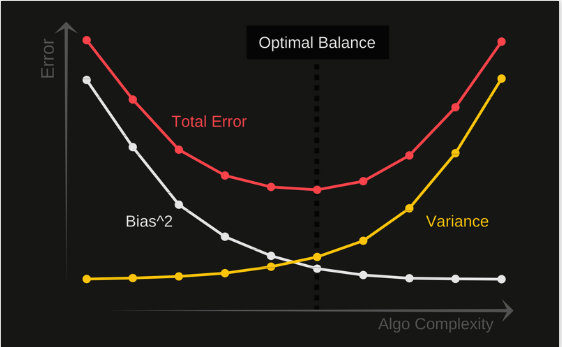
Artificial intelligence and machine learning systems are now used to make important decisions in areas such as hiring, healthcare, banking, and law enforcement. Two critical factors determine the quality of these systems: accuracy and fairness. While organisations often focus on building highly accurate models, this goal can sometimes conflict with the need to reduce algorithmic bias.
Striking the right balance between these two priorities is one of the biggest challenges in modern AI development.
Understanding the Core Concepts
Before exploring how to balance them, it is important to understand what model accuracy and algorithmic bias mean.
1. What Is Model Accuracy?
Model accuracy refers to how often an AI system makes correct predictions or decisions. A highly accurate model:
- Produces reliable results
- Minimises errors
- Improves efficiency
- Helps organisations make better decisions
Accuracy is usually measured using statistical metrics such as precision, recall, and overall success rate.
2. What Is Algorithmic Bias?
Algorithmic bias occurs when an AI system produces unfair or discriminatory outcomes for certain individuals or groups. Bias can appear when:
- Training data reflects historical prejudice
- Certain groups are underrepresented
- Assumptions built into the model are flawed
- Decision rules favour one category over another
- A model can be technically accurate yet still be ethically unfair.
Why Accuracy and Fairness Can Conflict
At first glance, it may seem that improving accuracy automatically improves fairness. This is not always true.
Several situations can create tension between the two goals:
- A model may achieve high accuracy by favouring majority groups
- Removing biased features might slightly reduce prediction performance
- Data that improves accuracy may reinforce social inequalities
- Optimising for speed and profit can overlook fairness concerns
As a result, developers often face difficult choices between technical performance and ethical responsibility.
The Risks of Focusing Only on Accuracy
When organisations concentrate solely on accuracy, serious problems can arise.
Potential consequences include:
- Discrimination in hiring or lending decisions
- Unfair treatment of minority groups
- Loss of public trust
- Legal and reputational damage
- Ethical violations
Strategies to Achieve Balance
Balancing algorithmic bias and model accuracy requires deliberate planning and continuous evaluation. Several practical approaches can help.
1. Improve Data Quality
Better data leads to better outcomes. Organisations should:
- Use diverse and representative datasets
- Remove historically biased information
- Regularly audit training data
- Include balanced samples from all groups
High-quality data reduces bias without severely affecting accuracy.
2. Measure Both Accuracy and Fairness
Instead of tracking only performance metrics, teams should evaluate ethical metrics as well.
This involves:
- Testing models across different demographic groups
- Monitoring error rates for each category
- Using fairness measurement tools
- Setting acceptable bias thresholds
Success should be defined as a combination of accuracy and fairness.
3. Apply Bias Mitigation Techniques
Modern AI development offers many methods to reduce bias while keeping models effective.
Common bias mitigation techniques include:
- Adjusting algorithms to treat groups more equally
- Reweighting data samples
- Removing sensitive variables
- Adding fairness constraints during training
These methods help narrow the gap between ethical and technical goals.
Conclusion
Algorithmic bias and model accuracy are two sides of the same coin. Focusing only on one while ignoring the other can lead to harmful results. Ethical AI is not just about building smarter machines—it is about building systems that treat all people fairly and responsibly.