
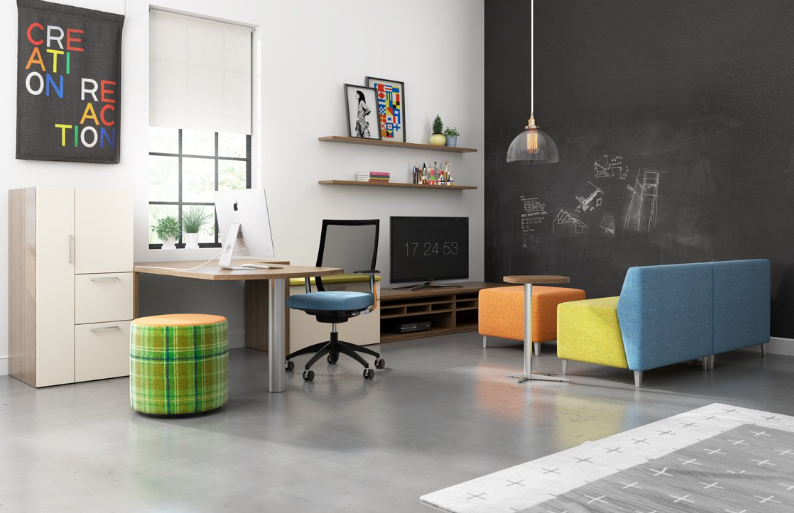
Efficient workspace planning has become a critical factor in determining how well an organization performs in today’s competitive environment. Beyond aesthetics, commercial furniture plays a strategic role in shaping productivity, workflow, and employee engagement. Businesses are increasingly recognizing that thoughtful furniture selection can influence how teams interact, focus, and innovate.
Integrating Corporate commercial furniture Dubai into workspace planning allows organizations to create environments that are both functional and future-ready. From layout optimization to ergonomic considerations, every element contributes to operational efficiency.
A well-structured office is not simply a place to work; it is a system designed to support performance, reduce inefficiencies, and enhance overall business outcomes.
Aligning Furniture Selection with Workflow Demands
A workflow-driven approach ensures that furniture is not randomly placed but strategically integrated. By adopting Corporate commercial furniture, organizations can create environments where every piece serves a clear operational purpose, ultimately improving productivity and reducing inefficiencies.
- Understanding operational flow: Furniture must reflect how teams move and interact within the workspace. Departments that require frequent collaboration benefit from open layouts, while focused roles demand quieter, structured setups. Proper alignment minimizes disruptions and supports task efficiency.
- Zoning for productivity: Dividing the office into functional zones: collaborative areas, private workstations, and meeting spaces, ensures that employees can work without interference. Each zone should be equipped with furniture that supports its specific purpose.
- Optimizing spatial efficiency: Smart furniture placement eliminates wasted space and improves movement. Compact designs and modular setups allow businesses to utilize every square meter effectively without compromising comfort or accessibility.
Enhancing Employee Performance Through Ergonomics
Ergonomics is no longer optional; it is a business necessity. Investing in well-designed furniture demonstrates a commitment to employee well-being, which in turn enhances performance and reduces absenteeism.
- Ergonomic seating solutions: Chairs with proper lumbar support and adjustable features help maintain correct posture throughout the workday. This reduces physical strain on the back and neck, preventing long-term health issues. As a result, employees experience improved comfort, leading to better focus and sustained energy levels.
- Adjustable workstations: Height-adjustable desks enable employees to switch between sitting and standing positions with ease. This movement promotes healthy blood circulation and reduces the risks associated with prolonged sitting. Over time, it contributes to improved physical well-being and enhanced productivity.
- Reducing workplace fatigue: Well-designed furniture minimizes repetitive strain and physical discomfort during extended work hours. Supportive environments help employees stay comfortable, reducing the likelihood of exhaustion and distraction. This directly supports higher engagement levels and consistent performance throughout the day.
Integrating Flexibility for Evolving Work Models
Adaptability is a defining feature of efficient workspaces. By incorporating Corporate commercial furniture Dubai, businesses can future-proof their offices against evolving operational needs.
- Modular furniture systems: Modular furniture enables quick and efficient reconfiguration of office layouts as business needs evolve. Teams can adapt spaces for collaboration, individual work, or project-based setups without major disruptions. This flexibility supports scalability and ensures the workspace remains aligned with changing operational demands.
- Multi-functional designs: Furniture designed for multiple uses enhances space utilization without increasing the physical footprint. Integrated storage, foldable elements, and convertible surfaces allow one piece to serve several purposes efficiently. This approach reduces clutter while maintaining a clean, organized, and highly functional environment.
- Supporting hybrid work culture: Modern offices must accommodate both on-site and remote collaboration seamlessly. Flexible seating arrangements and shared workstations enable employees to transition easily between different work modes. This adaptability ensures consistent productivity and engagement across diverse working styles.
Strengthening Brand Identity Through Design Consistency
A thoughtfully curated environment builds trust and reinforces the organization’s image, making the workspace an extension of the brand’s identity and values.
- Reflecting organizational values: Furniture design should mirror the company’s core identity, whether it focuses on innovation, structure, or creativity. Thoughtful selection of styles and materials helps communicate these values consistently across the workspace. This alignment strengthens internal culture while projecting a clear and professional image to external audiences.
- Creating visual harmony: Using consistent colors, finishes, and materials across all furniture elements creates a unified and balanced environment. This cohesion reduces visual clutter and makes the workspace feel more organized and refined. A harmonious setting enhances comfort, focus, and the overall employee experience.
- Impressing clients and stakeholders: A well-designed office leaves a lasting impression by showcasing professionalism and attention to detail. Visitors often interpret the quality of the workspace as a reflection of business standards and reliability. An aesthetically strong environment builds trust and reinforces credibility during client interactions.
Maximizing Long-Term Value Through Strategic Investment
Investing in commercial furniture should be approached as a long-term strategy rather than a short-term expense.
- Durability and quality considerations: High-quality furniture is designed to withstand continuous use without compromising structural integrity or visual appeal. This reduces the need for frequent repairs or replacements, lowering long-term operational costs. Investing in durable materials ensures consistent performance and maintains a professional workspace appearance over time.
- Cost-efficiency through planning: Strategic furniture planning allows businesses to allocate budgets effectively by prioritizing essential and high-impact elements. It prevents impulsive purchases and ensures that every item contributes to functionality and efficiency. This structured approach minimizes waste while maximizing the return on investment.
- Sustainability and responsible choices: Choosing environmentally responsible furniture supports corporate sustainability initiatives and reduces environmental impact. Eco-friendly materials and production processes contribute to healthier indoor environments and long-term resource conservation. This approach also enhances brand reputation by aligning business practices with global sustainability standards.
Final Thoughts
Smart workspace planning is a powerful driver of organizational efficiency. By aligning furniture with workflow, prioritizing ergonomics, embracing flexibility, and maintaining design consistency, businesses can create environments that actively support their goals.
Every furniture decision should contribute to a larger strategy focused on productivity and adaptability. Incorporating Corporate commercial furniture Dubai into this approach ensures that workspaces are not only functional but also future-ready.
For organizations aiming to enhance efficiency through thoughtful design and expert solutions, Humanspace offers a reliable pathway to creating high-performance work environments that truly deliver results.
