


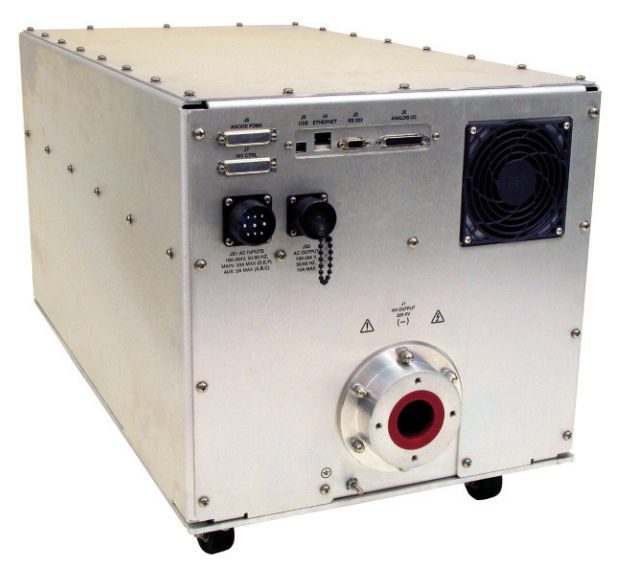
Reliable imaging is at the heart of modern diagnostics, inspection, and research. Whether used in industrial non-destructive testing, medical technology, or security systems, the consistency of an X-ray image depends heavily on the power infrastructure behind it. At the core of this performance lies the X-ray high-voltage power supply, a critical component that regulates energy delivery and ensures the X-ray tube operates with precision and stability.
Understanding how these power supplies function and why they matter can help organizations choose better systems, improve image quality, and maintain long-term operational efficiency.
The Role of High Voltage in X-Ray Imaging
X-ray imaging works by accelerating electrons at high speeds toward a target material, producing X-rays that pass through an object to create an image. This process requires extremely stable high voltage to maintain a consistent energy level throughout the scan. Even minor fluctuations can alter X-ray intensity, leading to inconsistent brightness, reduced contrast, or inaccurate results that may affect analysis or decision-making.
High-voltage power supplies act as the control center for this process. They regulate voltage, current, and waveform characteristics to ensure that the X-ray tube produces a steady and predictable beam under varying operating conditions. The more stable the power delivery, the cleaner, sharper, and more repeatable the imaging results become, especially in high-precision environments.
Why Stability Matters for Image Quality
Stable voltage directly impacts several critical imaging parameters. First, it ensures consistent penetration levels, which are essential for capturing accurate details in materials or biological tissues without overexposure or underexposure. Second, it maintains uniform exposure across repeated scans, which is crucial in automated inspection environments where images are compared over time for quality control.
Without proper regulation, imaging systems may suffer from noise, distortion, or inconsistent grayscale levels that make interpretation more difficult. This not only affects diagnostic accuracy but can also lead to increased inspection times, more frequent recalibration, and higher operational costs due to repeated scans or corrections.
Key Components That Enable Stability
Modern X-ray high-voltage power supplies incorporate multiple design elements that work together to maintain precision.
1. Precision Voltage Regulation
Advanced control circuits continuously monitor output levels and adjust them in real time. This ensures that the voltage supplied to the X-ray tube remains constant even if input power fluctuates.
2. Low Ripple Output
Ripple refers to small variations in voltage that can introduce noise into images. High-quality power supplies minimize ripple through filtering and feedback mechanisms, producing cleaner and sharper imaging results.
3. Fast Response to Load Changes
During imaging, the demand on the power supply can change rapidly. A responsive system adjusts instantly to maintain consistent output, preventing exposure inconsistencies.
4. Thermal and Overload Protection
Built-in safeguards protect both the power supply and the X-ray tube from overheating or electrical stress. These features extend equipment lifespan and ensure reliable performance during continuous operation.
Applications That Depend on Stable Power
High-voltage power supplies are essential across a wide range of industries. In medical imaging, they support technologies such as CT scanners and digital radiography, where precise exposure levels are critical for accurate diagnosis.
In industrial inspection, they enable the detection of micro-defects in electronics, welds, and composite materials. Security systems also rely on stable power to produce clear scans for threat detection. Across all these applications, consistent voltage translates directly into dependable imaging outcomes.
Efficiency and Energy Management
Modern designs focus not only on stability but also on efficiency. High-frequency switching technologies reduce energy loss, allowing systems to operate with lower power consumption while maintaining performance. Efficient power supplies generate less heat, which simplifies cooling requirements and improves overall system reliability.
Energy efficiency also contributes to sustainability goals, especially in facilities running multiple imaging systems around the clock.
Integration with Digital Imaging Systems
As imaging technologies become more advanced, power supplies must integrate seamlessly with digital control systems to support increasingly automated workflows. Communication interfaces allow operators to monitor voltage levels in real time, adjust parameters remotely, and receive diagnostic alerts that help identify potential issues early. This connectivity also simplifies system calibration and ensures smoother coordination between hardware and imaging software.
This level of integration supports predictive maintenance strategies, reducing unexpected downtime and helping teams plan servicing more efficiently. As a result, organizations can maintain consistent image quality while improving overall equipment reliability throughout the system lifecycle.
Reliability in Demanding Environments
X-ray systems often operate in challenging conditions, including manufacturing floors, research laboratories, and mobile inspection units, where performance consistency is critical. High-voltage power supplies are engineered to withstand vibration, temperature variations, and continuous usage cycles without compromising output stability.
This durability ensures that imaging performance remains stable regardless of environmental conditions, making these systems suitable for both fixed installations and portable solutions. Reliable operation in tough environments also reduces the risk of interruptions and supports higher productivity.
Choosing the Right Power Supply
When evaluating options, organizations should consider several factors beyond basic voltage ratings to ensure long-term performance. Output stability, ripple performance, response time, and safety certifications all play a role in determining overall imaging quality and system dependability.
Midway through the evaluation process, it becomes clear that selecting the right X-ray high-voltage power supply is not just a technical decision but a strategic one. The right choice improves accuracy, reduces maintenance needs, enhances operational confidence, and supports long-term efficiency across a wide range of imaging applications.
Future Trends in High Voltage Technology
Advancements in semiconductor design and digital control are shaping the next generation of power supplies. Smaller, more efficient units are enabling compact imaging systems, while smarter control algorithms are improving precision and automation.
As artificial intelligence becomes more integrated into imaging workflows, power supplies will continue to evolve, providing even tighter control over output parameters and enabling higher levels of imaging consistency.
Conclusion
Stable imaging depends on more than just advanced detectors or software. The quality of the high voltage power supply plays a fundamental role in ensuring consistent performance, accurate results, and reliable operation across applications. By prioritizing stability, efficiency, and integration, organizations can build imaging systems that deliver dependable results over the long term.
Among established innovators, VJ X-Ray is known for its engineering expertise in precision imaging components and power technologies used in industrial and security applications. With decades of experience, the company focuses on reliability, customization, and system compatibility, illustrating how a trusted High Voltage Power Supplier can support evolving imaging requirements while maintaining consistent performance standards.