Open-plan offices are said to foster community, break down silos, and increase collaboration. Usually, this architectural tendency results in noise. Conversations, clicking laptops, ringing phones, and unplanned meetings all create constant noise that can affect focus, stress, and output. While open areas provide visual connectivity and accessibility, their absence of auditory isolation compromises employee well-being and focus on challenging tasks. Companies are learning that incorporating glass office soundproof partitions can maintain a visually open space without sacrificing acoustic comfort, concentration, or quiet talks.
The Science of Serenity: How Glass Walls Tame Sound
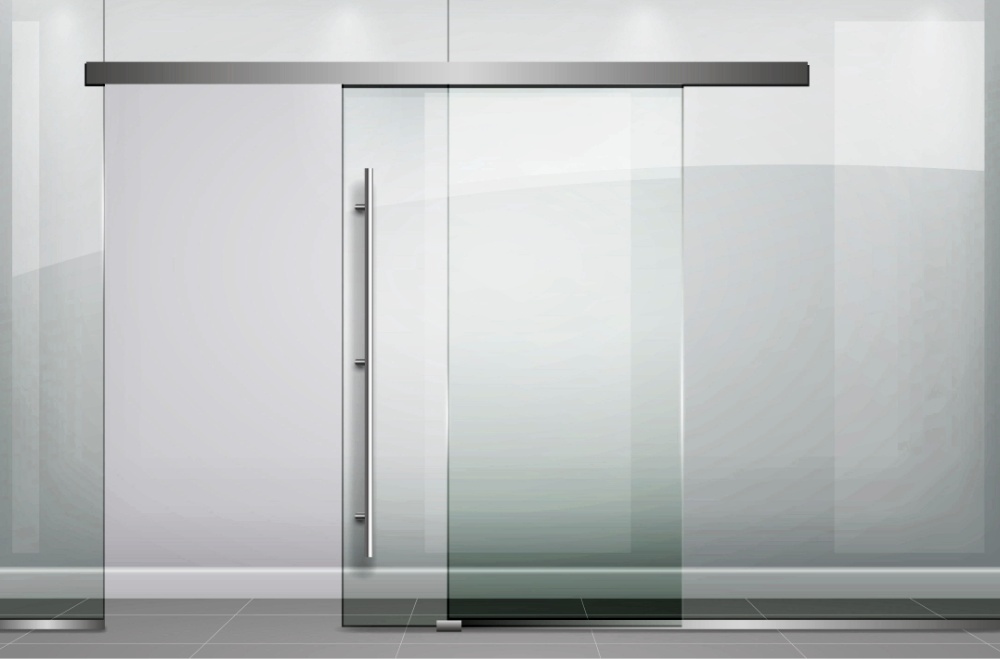
Good performance glass soundproof walls mix acoustic isolation with visual openness. Rather than physical barriers limiting sightlines and natural light, these partitions employ sophisticated acoustic technology. This usually use laminated or double-glazed glass panels with precisely constructed frames and seals. These materials cooperate to reduce sound transmission, thereby creating calm areas in crowded offices. Whereas laminated layers or air gaps between double panes reduce sound waves, airtight seals stop sound from entering through gaps. Glass’s transparency helps the space seem connected and open while offering the acoustic insulation required for focused work, private conversations, or quiet reflection, therefore transforming loud environments into calm ones.
From Distraction to Deep Work: Quieting the Chaos
Several companies with noise-induced productivity declines have found use for glass walls. Imagine a software firm whose sales calls and team meetings disrupted development teams meant to concentrate on code and debugging. Developers struggled entering “flow state,” which resulted in errors and delays, before the partitions were installed. Meeting rooms and glass-enclosed quiet areas were placed in the open layout with purpose. Since the highly performing acoustic glass reduced office noise, developers could concentrate. After implementation, the company noted reduced project times and better code quality. Acoustic control proved to boost performance in demanding tasks by lowering stress and raising productivity.
Openness Meets Acoustics: Fostering Connection and Modernity
Beyond only lowering noise, soundproof glass dividers shine in promoting teamwork while preserving acoustic privacy inside an aesthetically pleasing framework. For example, client calls and impromptu brainstorming sessions are what drive a creative marketing agency. Their open layout promoted communication but lacked secluded locations for focused team planning or delicate conversation. Larger conference areas and glass-enclosed huddle rooms gave the ideal mix. Teams might convene in the glass rooms for spirited debates without upsetting colleagues working outside. While the transparency of the glass preserved the agency’s dynamic, linked culture, client calls with private information could be held in secret.
Conclusion
One obvious advantage of soundproof glass barriers is the change from a noisy, disorderly office to a quiet, efficient space. As the case studies show, these divisions are strategic instruments addressing basic issues in modern workplace architecture, not only physical separators. They immediately affect employee well-being by lowering noise pollution, so lowering stress and weariness. They allow concentrated work and private conversation necessary for various activities by building acoustic privacy. Their preservation of visual transparency helps to retain the cooperative attitude and aesthetic attraction of open areas. Investing in glass soundproof walls is investing in a harmonic and productive future of work where employees may flourish in an environment that supports both individual concentration and group synergy, so enhancing efficiency, morale, and a very modern and functional workplace.
